Tendinitis is when a tendon becomes irritated and inflamed. In fact, “itis” just means inflamed, for instance, you can have tonsillitis, (inflammation of the tonsils), bronchitis (inflammation of the bronchioles in your lungs), bursitis (inflammation of a bursa), osteitis pubis (inflammation of the pubic bone) etc – the list goes on!
Tendinopathy is an umbrella term which encompasses most tendon damage, and usually refers to tendon pain or injury which has become chronic (present for longer than 3 months).
Tendons exist throughout the body, and are the “connectors” between a muscle and bone. Tendinitis can occur anywhere you have a tendon, but the most common are:
- Shoulder (supraspinatus) tendinitis
- Bicep tendinitis
- Tennis Elbow
- Hip (Gluteus Medius) tendinitis
- Hamstring tendinitis
- Achilles tendinitis
Tendon injuries can arise from overuse, from acute athletic incidents, or from compression. For instance, tennis elbow is a form of tendinitis, and usually arises from overuse of the wrist.
Hip tendinitis commonly presents as pain when laying on your side, and may be caused by always laying the same way in bed and compressing the tendon repetitively.
Achilles tendinitis can occur from beginning, or increasing, a running program.
This list is not exhaustive, there are many other causative factors of tendinitis and tendinopathy.
As a general rule, when tendinitis develops, there will be a period of inflammation. This may show up as swelling, redness or heat around the tendon, with tenderness to the touch and a “stinging” or “burning” quality to the pain. Once the inflammation settles and the injury moves towards being a “tendinopathy” rather than a “tendinitis”, the tendon may no longer feel hot or swollen, but may feel stiff and sore after exercise, or lumpy or thickened to the touch.
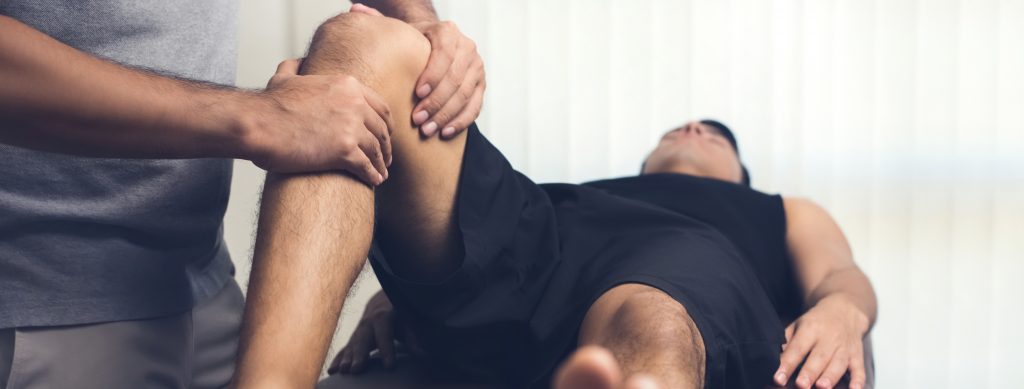
It is important to ascertain where your tendon is in this process in order to appropriately treat it. Whilst your tendon is acutely inflamed, our Osteo’s will help you to reduce the swelling and “offload” the tendon, to allow healing to occur and to prevent the development of chronic inflammation. This may also include manual therapy to near by muscles, and advice on how to best settle the tendon down through home care strategies (ice, anti inflammatories, bracing).
It may sound counter intuitive, but once the swelling has settled, it is important to begin appropriate loading (exercise). Just like our skin, tendons have cells which will die off after a certain amount of time, being replaced with newer, healthier ones. Exfoliation removes dead skin cells from our face, and exercise assists with the replacement of older, damaged tendon cells with new, healthy cells – ultimately rebuilding the tendon’s structure from the inside out.
This process assists with strengthening and mobilizing the tendon, increasing both strength and flexibility.
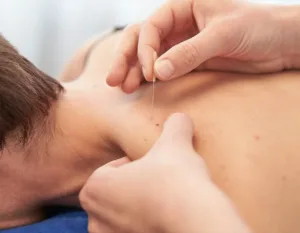
Our Osteos can diagnose your tendon pain, help you to understand where it is at in the healing process, treat it with appropriate manual therapy or dry needling, and advise you and supervise you with appropriate rehabilitation exercises.
Call us on 90880793 for a free discussion if you would like more information.