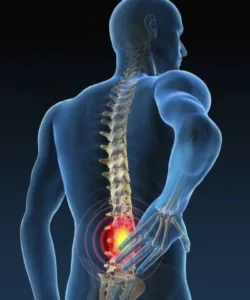
Why do we hurt when it gets cold? Does the cold weather “get into our bones”? Or does winter stir up arthritis?
In this blog we explore reasons that you might feel more stiff and sore in the colder months!
As Osteopaths, we’re consistenly discussing pain and stiffness with people. We notice a pattern every year, of our vague, niggly, annoying, aches and pains ramping up around July.
Contrary to common belief, cold weather doesn’t worsen inflammation, or “get into your bones”. Winter weather is also not a cause of arthritis.
That’s not to say that some of us don’t have a tendency to feel more sore when we get cold.
The hypothesized reasons for this, are the culmination of:
- An increase in sedentary behaviours, and decrease in incidental exercise = This allows our muscles to slightly decondition (weaken) meaning they have less capacity for our day to day tasks. A lack of movement can also cause a sensation of stiffness in our joints, in part because the lubrication naturally found in our joints (synovial fluid) is stimulated by movement.
- Muscular guarding and bracing when we feel cold = This can involve “tensing up” when we feel a cold wind.
- A decrease in social interaction = We often become less social when the weather is poor, and science has found a significant link between pain and feelings of isolation.
- Seasonal Affective Disorder and other causes of low mood = In winter, especially in Melbourne, the days become short and we avoid going outside. A phenomenon known as Seasonal Affective Disorder is a type of depression experienced in the winter months, hypothesized to be related to a lack of sunlight. Other symptoms of SADS include malaise and lethargy, which contribute to our sedentary behaviours.
Depression, low mood and anxiety have all been linked to an increase in pain levels.
- Cold sensitivity = some people with nerve pain can have a special type of nerve sensitivity called “cold Allodynia” whereby their affected nerves interpret the feeling of cold as pain instead.
So what can be done?
In most instances of increased pain during the winter months, movement is your friend. This might not be a walk in the bracing wind, but it could instead be yoga in your living room.
Be extra mindful of incorporating movement into your day – take the stairs instead of the lift, do some star jumps on your lunch break, dig out the stationary bike hiding in the back of your shed.
Where possible, try and maintain social connections and exposure to sunlight – doona days might be tempting, but too many can make you feel worse.
And if your pain is bothering you, have a chat to our Osteopaths for advice on how to ease your pain and enjoy a comfortable winter!