Pre-Season Injuries: A Call to Arms Before Winter Sport Kicks Off
Thinking about starting running this spring? Learn how to build stamina safely, prevent common injuries, and discover how osteopathy can support your body every step of the way.

Running is a powerful way to boost both your physical and mental health — it strengthens your heart, improves endurance, and helps manage stress. Plus, it can trigger a “runner’s high,” leaving you feeling energised, uplifted, and clear-headed long after you’ve finished.
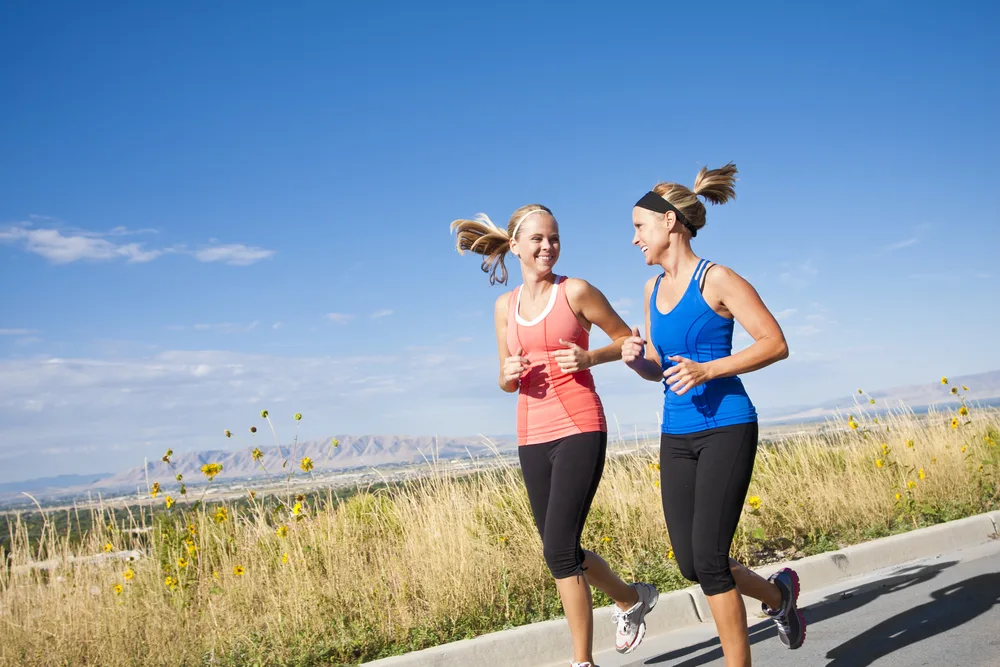
Spring is the perfect time to lace up your running shoes and get moving. Whether you’re aiming to improve fitness, boost your mood, or enjoy the outdoors, running is a great way to build stamina and strength. However, starting the right way is key to avoiding injuries. Here’s a beginner-friendly guide—plus how osteopathy can help support your running journey.
Ready to Run Smarter?
Running is a rewarding and accessible way to improve your health—but it’s important to train smart, listen to your body, and get expert support when needed.
Book an appointment with our osteopaths to support your running goals and stay injury-free this season.
If you’re just beginning, a run–walk approach is ideal. For example, run for 30 seconds and walk for 90 seconds, repeating that cycle for 15–20 minutes. This reduces the initial strain on your joints and muscles while allowing your cardiovascular system to adapt.
To prevent overuse injuries like shin splints or knee pain, increase your total running time or distance by no more than 10% per week. Even slower progression can be beneficial if you’re completely new or returning from injury.
Osteopathy can help support this progression by identifying and addressing areas of imbalance or restriction in your body—especially through the hips, knees, and ankles—which are critical to efficient running.
Always begin with a few minutes of dynamic movement—walking, gentle leg swings, or light jogging—to prepare your muscles and joints. After your run, gradually slow down and follow with static stretching to help release tight muscles and support recovery.
If you struggle with tightness or reduced mobility (especially in the hips or calves), osteopathic treatment can help improve range of motion, reduce tension, and optimise your overall biomechanics.
Footwear plays a major role in both comfort and injury prevention. We recommend shoes that allow your feet to function naturally—often barefoot-style or podiatrist-recommended footwear with a wide toe box, flexible sole, and minimal heel lift. These encourage better foot strength, stability, and toe splay during your run. If you are used to traditional soft running shoes, it can be difficult to transition to minimalist shoes – we recommend a specific assessment before making major changes.
Hard, narrow shoes can contribute to poor loading and compensatory movement patterns. An osteopath can help assess how your footwear is affecting your gait and make tailored recommendations to suit your individual needs.
Whenever possible, choose softer running surfaces like grass, trails, or tracks to reduce joint impact, especially when starting out.
Incorporate strength exercises 2–3 times per week to support your running. Focus on areas like your glutes, hips, calves, and core, which help stabilise your joints and reduce strain during movement.
Equally important is flexibility—particularly in the ankles, calves, and hip flexors. These areas often become tight from sitting or general inactivity and can lead to inefficient running form or injury.
Osteopathy combines manual treatment with exercise prescription to improve muscle balance, joint mobility, and alignment, helping you run more efficiently and with less strain.
One of the biggest mistakes beginners make is running too often, too soon. Your body needs time to adapt and repair between runs. Start with 2–3 runs per week, with full rest or active recovery days in between.
Soreness is normal, especially early on, but sharp pain or discomfort that changes your stride should not be ignored. These can be early signs of injury.
Osteopaths are trained to assess and treat musculoskeletal issues before they become more serious, helping you recover faster and avoid setbacks.
A simple way to know if you’re running at a manageable pace is to see if you can talk while running. If you’re too breathless to hold a conversation, slow down. It’s better to build endurance slowly than to burn out—or get injured—early.
Running should feel sustainable. Over time, your body will adapt, and you’ll be able to handle longer or faster sessions without pushing into overtraining.
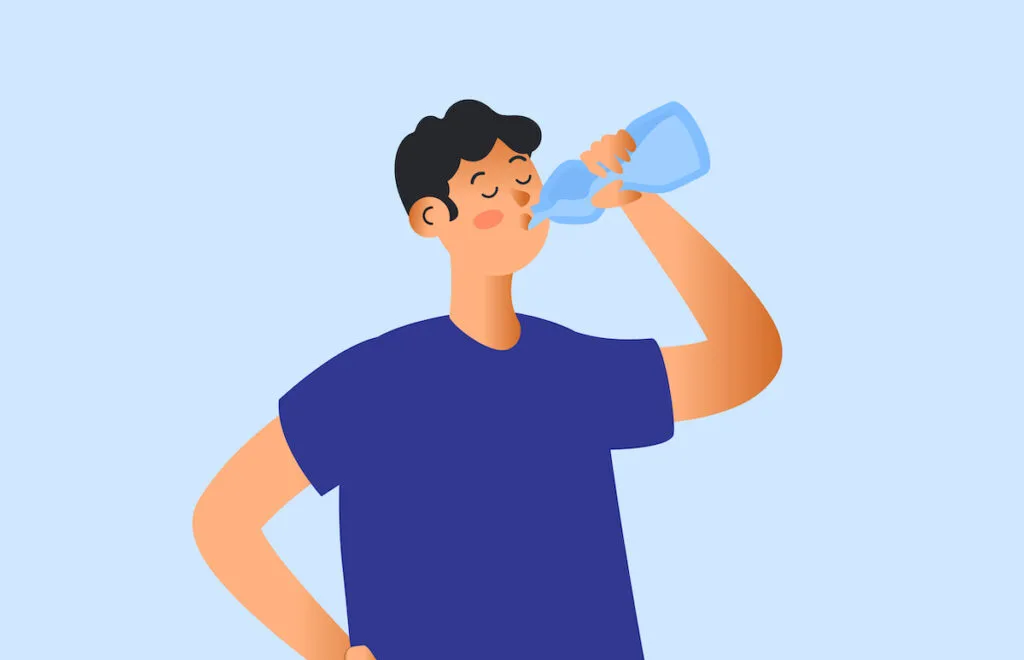
Drink water before and after your runs, and during if it’s a longer session or particularly hot day. If you’re running first thing in the morning or planning a longer session, a light snack with carbohydrates can give your body the fuel it needs to perform.
Hydration and nutrition directly affect how your muscles function and recover. If you’re regularly feeling fatigued or cramping, it’s worth checking in with a professional to assess contributing factors.
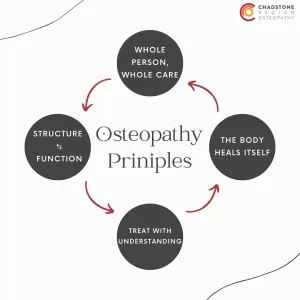
Osteopathy is a holistic, hands-on approach to supporting the body’s structure and function. For runners—especially beginners—it can:
Improve joint mobility and muscle flexibility
Identify and treat early signs of strain or imbalance
Support recovery through manual therapy and exercise advice
Enhance posture, gait, and movement efficiency
Reduce injury risk and help you return to running faster if setbacks occur
Whether you’re dealing with sore feet, tight calves, knee discomfort, or just want to ensure you’re running safely, osteopathy provides a tailored, body-wide approach to help you move better.
Written by Dr Kieren Jamieson, Osteopath at Oakleigh Osteopathy, and keen footballer showing absolutely no signs of the rigours of age.
We’re happy to answer any questions you might have, please email us if you need any advice! info@chadstoneregionosteo.com.au
Share:
More Posts:

Thinking about starting running this spring? Learn how to build stamina safely, prevent common injuries, and discover how osteopathy can support your body every step of the way.

9088 0793 Monday – Saturday New patients welcome Book Online Osteopathy, Chronic Pain, and the Surprising Alignment with Modern Science Traditional osteopathy has always been

The festive season can be joyful — but it can also leave your body tense, your mind overwhelmed, and pain flaring up. This blog shares gentle, science-backed strategies to help you manage holiday pain, move more comfortably, stay hydrated, and support your nervous system. Practical tips on micro-movement, mindful pauses, and simple self-care will help you feel calmer, more energised, and enjoy the holidays with greater ease.
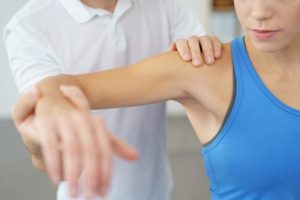
The way we understand and talk about shoulder pain is changing. Traditional labels like “rotator cuff tear,†“subacromial impingement,†and “bursitis†are being questioned in light of new research showing they often don’t reflect the real cause of pain—or lead to better outcomes. In this blog, we explore why these terms are falling out of favour, the risks of over-relying on imaging, and how more functional, person-centred language is shaping modern shoulder pain management. Whether you’re a clinician or someone experiencing shoulder issues, these insights could change the way you view recovery.