Calf Strain

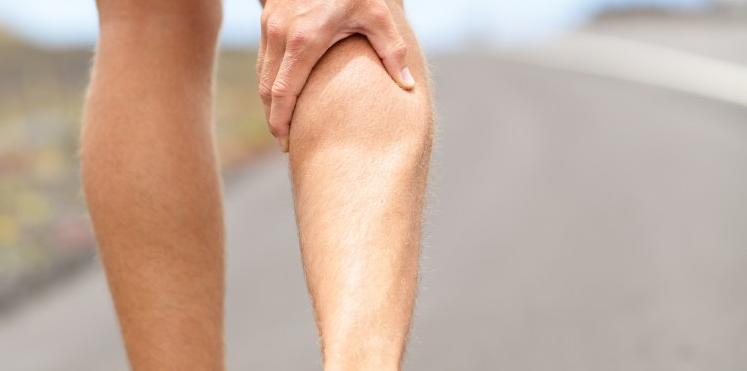
A calf strain affects the muscles at the back of the lower leg, and tends to come about due to a sudden excessive force through the muscle, or with repetitive overuse.

The calf is a group of muscles that allow you to point your foot and your toes downwards, generating the power that help you to walk, run and jump. There are 7 muscles in total with the largest ones being the gastrocnemius and the soleus. These big muscles generate the greatest strength. Any one of these muscles can suffer a strain.

Once injured, bruising and/or swelling may appear in the calf. This is due to the injury within the tissues. You may also experience pain, particularly when walking or performing any activity that uses the affected muscles. You may be aware of stiffness within these tissues, particularly after periods of rest.

The severity of your injury will dictate how long it will take you to recover. This can range from 1 week to 6 weeks or more, depending on how strict you are with your post-injury care routine. With the correct management, your injury should settle back to normal.

Muscles have a large blood supply which tends to mean an injury to these tissues will resolve in good time.

Help your body to recover by elevating your leg for short periods in the early phase. This will help any swelling and bruising to disappear.

Ice can be an excellent additional aid in settling any bruising and/or swelling. Be sure to wrap your ice in a damp cloth and monitor your skin to avoid ice burns.

After the initial injury it may be wise to reduce the amount of walking you do, and any other activities that use these muscles such as running and jumping. Go for non weight bearing activities instead to keep you fit and active, such as cycling and swimming.

To help with the recovery and the uncomfortable symptoms you are experiencing, it may be advised to perform small circles and ankle pumps now and then to avoid stiffness. This will also help your body to keep the blood pumping around your tissues.

You may be assessed to try and establish why the injury occurred in the first place. Perhaps you are weak elsewhere and so overuse your calf muscles as a consequence, or perhaps you need better structure to your activity regime.

You will likely be given some exercises to help you to recover fully from your injury. These may include stretches to address any tight areas in your leg, and strength exercises to get you back up to your usual level of fitness.

Whatever the reason for your injury, be sure not to rush your rehab. With patience and the correct guidance you’ll be back to doing what you love most.

We’re happy to answer any questions you might have, please email us if you need any advice! info@chadstoneregionosteo.com.au

Share:

More Posts:

Managing Holiday Pain: Gentle, Science-Backed Strategies

Managing Holiday Pain: Gentle, Science-Backed Strategies

The festive season can be joyful — but it can also leave your body tense, your mind overwhelmed, and pain flaring up. This blog shares gentle, science-backed strategies to help you manage holiday pain, move more comfortably, stay hydrated, and support your nervous system. Practical tips on micro-movement, mindful pauses, and simple self-care will help you feel calmer, more energised, and enjoy the holidays with greater ease.

Shoulder Pain - Osteopathic Assessment & Treatment

Moving away from bursitis, impingement and rotator cuff tears

The way we understand and talk about shoulder pain is changing. Traditional labels like “rotator cuff tear,” “subacromial impingement,” and “bursitis” are being questioned in light of new research showing they often don’t reflect the real cause of pain—or lead to better outcomes. In this blog, we explore why these terms are falling out of favour, the risks of over-relying on imaging, and how more functional, person-centred language is shaping modern shoulder pain management. Whether you’re a clinician or someone experiencing shoulder issues, these insights could change the way you view recovery.