Is Stretching Good or Bad?

Whether stretching is appropriate for you depends on two factors- what type of stretching and when are you doing it?

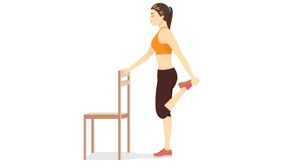
There are a number of different types of stretching, but they generally can be classified as either ‘active’ or ‘passive’. Passive stretching is lengthening the target muscle and then holding that position for 15-30 seconds or more (think the stretching you did at school!). Active stretching refers to moving a joint or muscle through its normal range of motion, moving it in all directions to both warm up, increase blood flow, and mobilize (think of Olympic sprinters doing leg swings back and forth before their race).

Active stretching is best for before exercise as a good warmup. If you’re going running, it is beneficial to move your hips, knees, ankles and back in all the same ways you’re about to whilst running, e.g. swing your legs back and forth, bend your knees, do some squats etc.

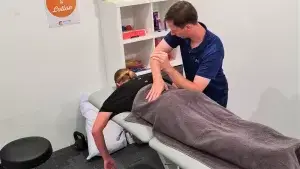
Static stretching should be done after exercise has finished, perhaps as cool down or recovery. This is because there is some research that suggests static stretching can reduce the power of your muscles for short periods after, and this would not be helpful before exercise. Static stretching assisted by someone else (except a trained health practitioner) is never recommended and should be avoided.

Stretching of all types should be gentle, and not cause any pain or tingling/numbness at all when doing it. If you are experiencing pain when you stretch it is best to see a practitioner who can help you work out the cause. If you feel like you have to stretch all the time it is worth consulting with a practitioner, as often muscles that feel tight all the time actually require some strengthening to help them with their job. Your osteopath can give you specific exercises to help.

We’re happy to answer any questions you might have, please email us if you need any advice! info@chadstoneregionosteo.com.au

Share:

More Posts:

Lower back pain Osteopathic treatment

5 Easy Levers You Can Pull to Reduce Low Back Pain

Low back pain is one of the most common reasons people seek treatment, and for many, it can feel frustratingly persistent. You might think you need complex exercises, expensive treatments, or a full week off to get relief.

Dry Needling for Pain: Latest Evidence & Safety

Discover the latest evidence on dry needling for musculoskeletal pain. A 2025 study shows 73.8% of patients experience improved pain and 82.1% would recommend it to others. Learn what to expect, including common side effects and how this technique works.