Pre-Season Injuries: A Call to Arms Before Winter Sport Kicks Off

Pre-season injury: a call to arms before winter sports kick off

Pre-Season Injuries: A Call to Arms Before Winter Sport Kicks Off

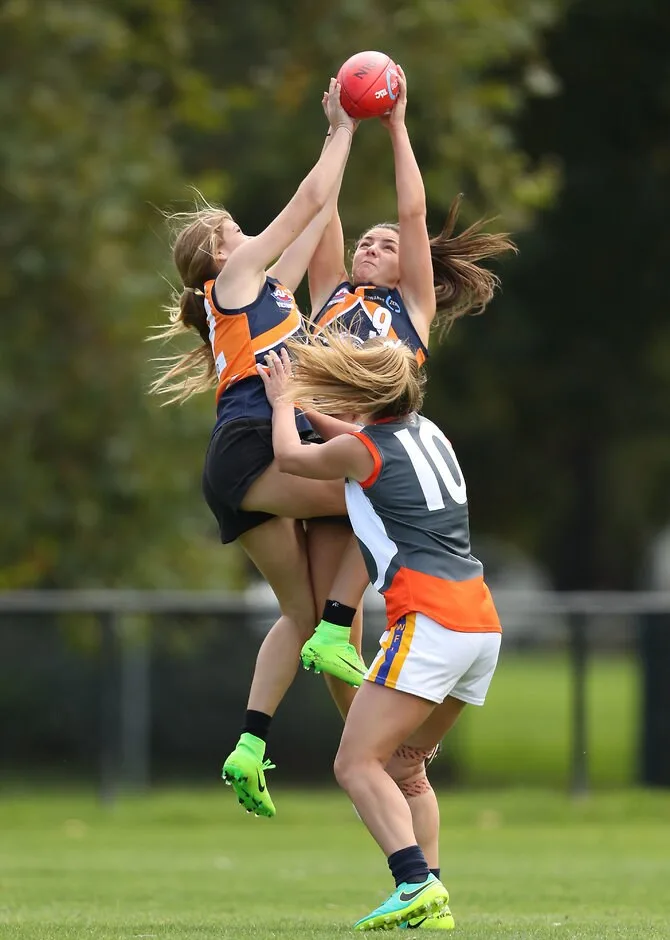
Late pre-season is a funny time of year. Training ramps upfast, practice matches are looming, and everyone is trying to make up for lost fitness from the off-season. For community Aussie Rules players, local soccer players, and those in winter sports like hockey and lacrosse, it’s also the time when pre-season injuries begin to rear their head.

Not because you’ve done anything wrong, but because your body is being asked to adapt quickly. Quickly adapt to higher running loads and more gym sessions, all while dealing with the worst heat wave since Black Saturday.

If you’re carrying a niggle right now, this is your reminder that early attention isn’t about being soft. It’s about giving yourself the best chance to start the season with confidence.

Common pre-season injuries we see

Across community sport, the pattern is remarkably consistent.

Calf and hamstring strains are common as sprinting volume increases. Achilles and plantar fascia pain often appear when running loads rise too quickly. Hip and groin pain show up as change-of-direction and kicking demands increase. Low back and upper back pain tend to flare as training frequency climbs and recovery drops.

Shin pain and bone stress injuries can creep in when bodies aren’t quite ready for repeated impact. Knee tendon issues and patellofemoral pain syndrome are also frequent, particularly with sudden increases in jumping, cutting, and running volume.

None of these mean you are broken. Most are signs that your body is still adapting to new demands.

Why injuries pop up now

Pre-season injuries are rarely caused by one bad session. They usually reflect load, not weakness. Blaming these types of injuries on one session is like blaming bankruptcy on the last coffee you bought. These things build up over time.

Training intensity increases. Running volume jumps. Sleep and recovery often take a hit as life stays busy. All of this adds up.

By the time pain appears, it’s usually the final signal, not the original problem. The key is recognising it early rather than trying to push through until something forces you to stop.

How to reduce your risk during pre-season

You don’t need to do anything fancy to look after yourself.

Gradual exposure to running, sprinting, and change of direction matters more than any single exercise. Consistency beats intensity. Missing weeks and then going all in is a fast track to trouble.

Sleep is one of the most underrated performance tools. Poor sleep increases injury risk and slows recovery. Fuelling well and managing stress also make a bigger difference than most people realise.

Strength training, particularly for calves, hips, and knees, helps prepare tissues for the demands of the season. It doesn’t need to be perfect, it just needs to be regular.

Most importantly, listen to patterns. A bit of soreness that settles quickly is normal. Pain that builds, lingers, or changes how you move is worth paying attention to.

Managing niggles before they become injuries

One of the biggest mistakes players make is ignoring early warning signs because they don’t want to miss training.

Managing pre-season injuries doesn’t always mean resting completely. Often it’s about adjusting load, modifying sessions, and keeping the body moving in a way that feels safe and productive.

This is where good advice matters. Not advice that tells you everything is damaged or fragile, but guidance that helps you understand what’s happening and what you can safely keep doing.

When to seek professional help

If pain is:

  • Limiting your training
  • Affecting your confidence in movement
  • Persisting beyond a couple of weeks
  • Changing how you run, kick, or move
  • Affecting you outside of training sessions

That’s a good time to seek support from one of our Osteopaths.

The goal is not just to get pain down, but to help you feel robust, informed, and ready to play.

Find a professional you trust

Pre-season is the ideal time to get on top of issues, before games matter and pressure builds.

Whether it’s an osteopath, physiotherapist, or another health professional, look for someone who listens, explains things clearly, and builds you up rather than making you feel broken or fragile.

At Chadstone Region Osteopathy, the focus is on helping athletes and active people understand their bodies, manage load intelligently, and move with confidence. The aim is not dependency, but independence.

Our Osteopaths in Carnegie & Oakleigh are experienced in dealing with niggles, managing injuries, and guiding a return to full training. With a strong foundation of training you can be confident of a good season ahead!

Start the season with belief in your body

Winter sport is demanding. But your body is adaptable, resilient, and capable of rising to the challenge with the right support.

If you’re carrying a pre-season injury or a lingering concern, take it seriously, not fearfully. Getting the right advice now can make the difference between starting the season anxious and starting it confident.

Pre-season injuries are common. Feeling prepared does not have to be optional.

Dr Kieren Jamieson (Osteopath)
Written by Dr Kieren Jamieson, Osteopath at Oakleigh Osteopathy, and keen footballer showing absolutely no signs of the rigours of age.

We’re happy to answer any questions you might have, please email us if you need any advice! info@chadstoneregionosteo.com.au

Share:

More Posts:

Managing Holiday Pain: Gentle, Science-Backed Strategies

Managing Holiday Pain: Gentle, Science-Backed Strategies

The festive season can be joyful — but it can also leave your body tense, your mind overwhelmed, and pain flaring up. This blog shares gentle, science-backed strategies to help you manage holiday pain, move more comfortably, stay hydrated, and support your nervous system. Practical tips on micro-movement, mindful pauses, and simple self-care will help you feel calmer, more energised, and enjoy the holidays with greater ease.

Shoulder Pain - Osteopathic Assessment & Treatment

Moving away from bursitis, impingement and rotator cuff tears

The way we understand and talk about shoulder pain is changing. Traditional labels like “rotator cuff tear,” “subacromial impingement,” and “bursitis” are being questioned in light of new research showing they often don’t reflect the real cause of pain—or lead to better outcomes. In this blog, we explore why these terms are falling out of favour, the risks of over-relying on imaging, and how more functional, person-centred language is shaping modern shoulder pain management. Whether you’re a clinician or someone experiencing shoulder issues, these insights could change the way you view recovery.