How Osteopathy Aligns with Modern Pain Science
9088 0793 Monday – Saturday New patients welcome Book Online Osteopathy, Chronic Pain, and the Surprising Alignment with Modern Science Traditional osteopathy has always been
Sporting injuries are common among athletes and fitness enthusiasts, often leading to pain, limited mobility, and frustration. Whether from a sudden injury, overuse, or poor technique, these injuries can interfere with your performance and daily activities. Fortunately, osteopathy provides a holistic, non-invasive approach to treating sporting injuries and aiding recovery. In this blog, we will explore the causes of sporting injuries, their effects on your body, and how osteopathic treatment can help you recover and get back to doing what you love.
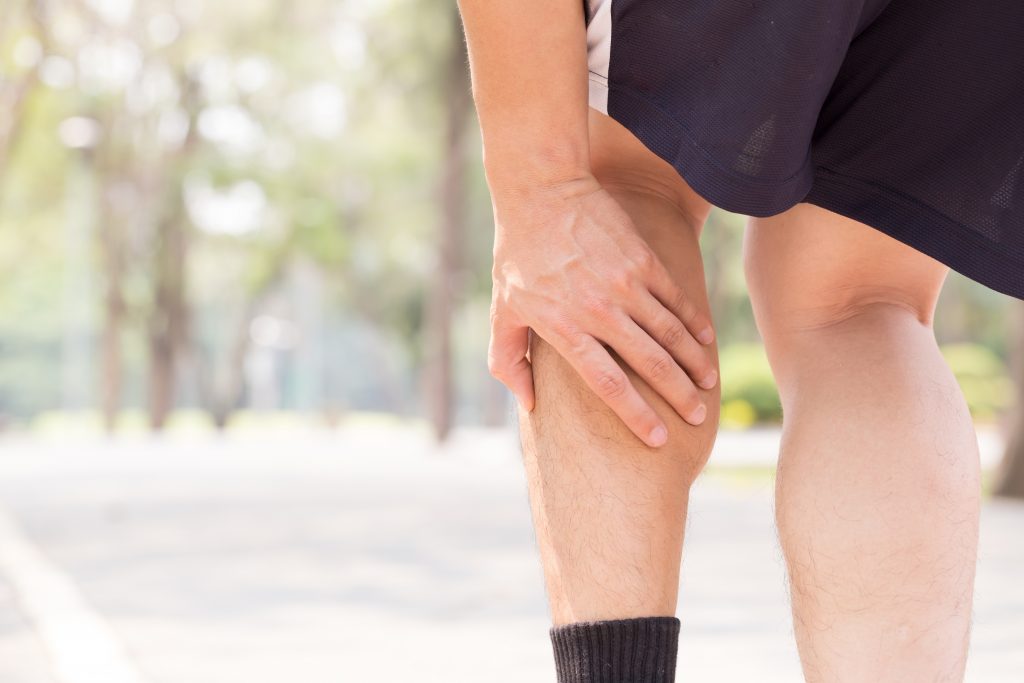
Sporting injuries can be caused by a variety of factors, ranging from acute trauma to repetitive stress. Understanding the root cause of the injury is essential for developing an effective treatment plan.
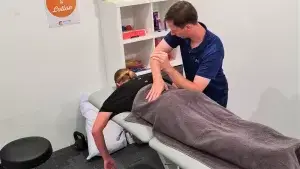
At our clinics in Carnegie and Oakleigh, our experienced osteopaths use a range of effective, hands-on techniques to treat sporting injuries. Osteopathy focuses on the whole body, identifying the root causes of injury and restoring balance, function, and mobility.
While Osteopathic treatment plays a crucial role in recovery, making a few simple lifestyle adjustments can speed up the healing process and prevent future injuries.
When to Seek Osteopathic Treatment for Sporting Injuries
If you experience persistent pain, swelling, limited range of motion, or difficulty performing your sport or daily activities, it’s essential to seek osteopathic treatment. Early intervention can prevent further damage and speed up recovery.
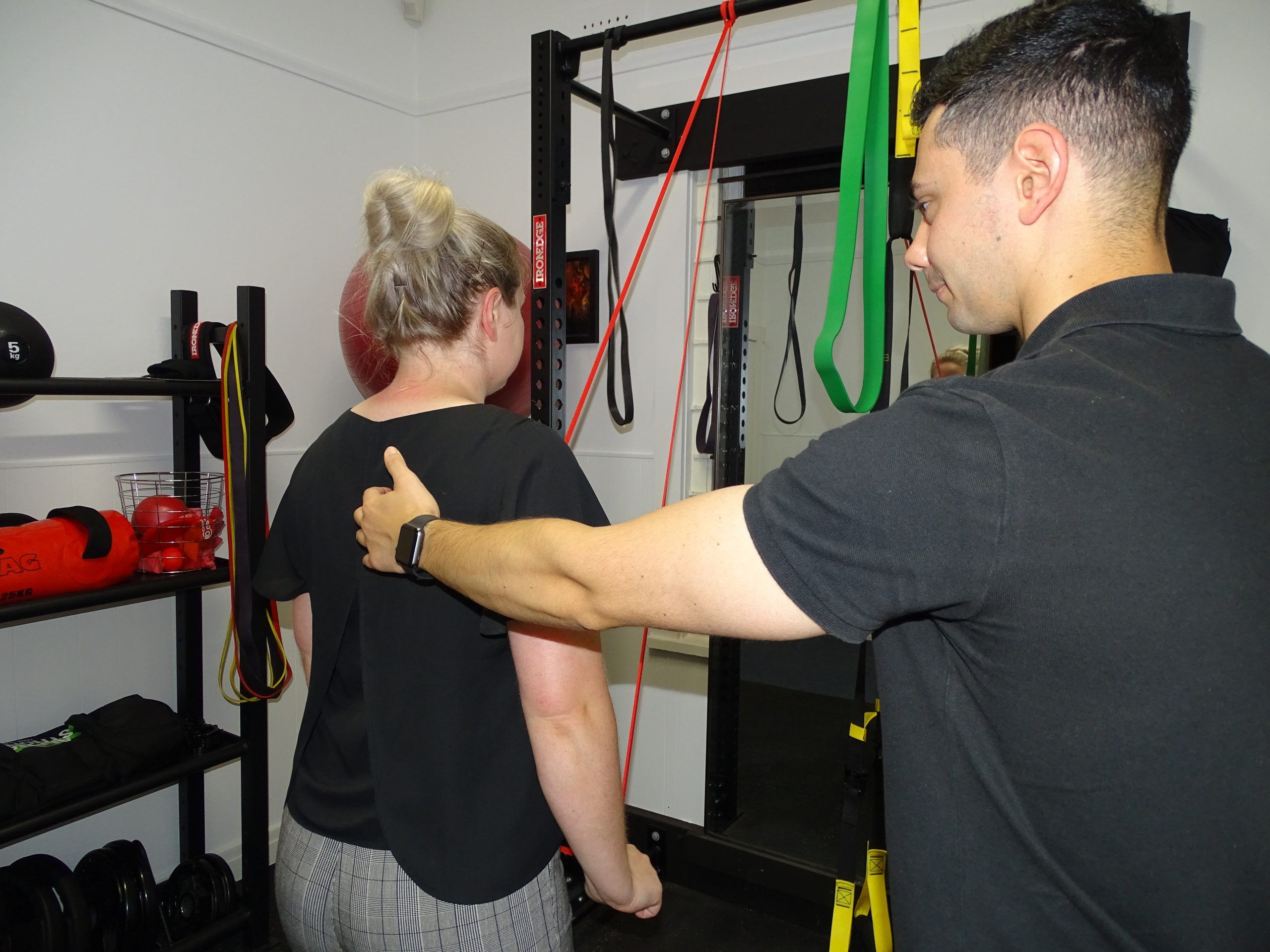
At our clinics in Carnegie and Oakleigh, our osteopaths provide individualised care plans tailored to your specific injury and sport. We’ll work with you to get you back on track and help you perform at your best.
Conclusion: Get Back to Doing What You Love
Sporting injuries can be a setback, but with the right treatment and care, you can recover and return to the activities you enjoy. Osteopathy offers an effective, non-invasive way to address the underlying causes of injuries, reduce pain, and restore function. By focusing on the whole body and using a variety of therapeutic techniques, osteopaths can help you recover faster and prevent future injuries.
Visit our Carnegie and Oakleigh clinics to meet with one of our expert osteopaths and start your recovery journey today. Book an appointment and take the first step toward a pain-free, active lifestyle!
We’re happy to answer any questions you might have, please email us if you need any advice! info@chadstoneregionosteo.com.au
Share:
More Posts:

9088 0793 Monday – Saturday New patients welcome Book Online Osteopathy, Chronic Pain, and the Surprising Alignment with Modern Science Traditional osteopathy has always been

The festive season can be joyful — but it can also leave your body tense, your mind overwhelmed, and pain flaring up. This blog shares gentle, science-backed strategies to help you manage holiday pain, move more comfortably, stay hydrated, and support your nervous system. Practical tips on micro-movement, mindful pauses, and simple self-care will help you feel calmer, more energised, and enjoy the holidays with greater ease.

The way we understand and talk about shoulder pain is changing. Traditional labels like “rotator cuff tear,†“subacromial impingement,†and “bursitis†are being questioned in light of new research showing they often don’t reflect the real cause of pain—or lead to better outcomes. In this blog, we explore why these terms are falling out of favour, the risks of over-relying on imaging, and how more functional, person-centred language is shaping modern shoulder pain management. Whether you’re a clinician or someone experiencing shoulder issues, these insights could change the way you view recovery.

Central sensitisation occurs when the nervous system becomes hypersensitive, causing pain to feel more intense and persistent—even without clear injury. It can also affect mood, sleep, digestion, and more. Learn how this “high alert†state develops, and how pain-informed osteopathy can help calm and retrain the nervous system for lasting relief.