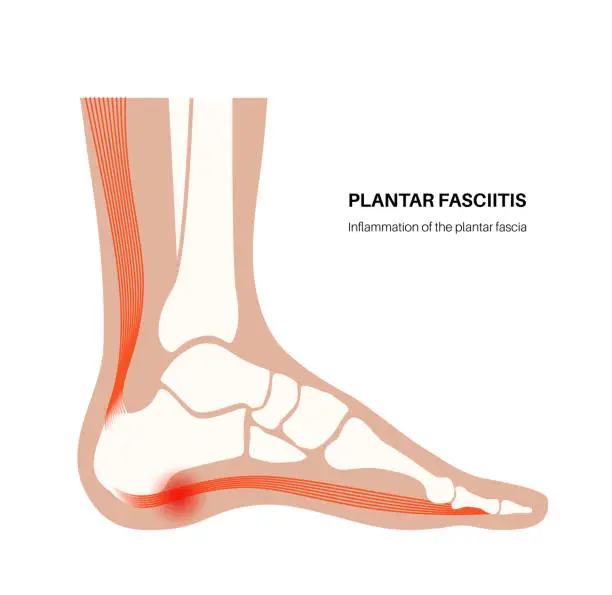
Did you know that Plantar fasciitis is one of the most common causes of heel pain, affecting millions of people worldwide?
The pain is often most noticeable in the morning or after long periods of rest, and it can make walking or standing difficult. Fortunately, osteopathic treatment offers a holistic approach to managing and alleviating the pain associated with plantar fasciitis.
Osteopathy is a hands-on approach to healthcare that focuses on treating the body as a whole. For plantar fasciitis, osteopaths aim to not only address the symptoms but also treat the underlying issues contributing to the condition.
Here’s how osteopathic treatment can help:
1. Foot and Lower Limb Load Adjustment and Alignment
Osteopaths will assess your overall posture, gait, and the alignment of your feet, knees, and hips. Misalignments in these areas can contribute to undue stress on the plantar fascia. By addressing biomechanical issues, such as flat feet or overpronation, osteopaths can reduce strain on the foot, easing the symptoms of plantar fasciitis.
2. Soft Tissue Techniques
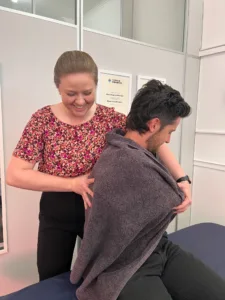
Osteopaths use various soft tissue techniques to help reduce muscle tension and improve blood circulation. By applying gentle pressure and stretching techniques to the calf muscles, Achilles tendon, and the plantar fascia itself, they can help release tension and promote healing. These techniques also reduce inflammation and improve mobility in the foot.
3. Joint Mobilization
Restricted movement in the foot, ankle, or even the hip can exacerbate plantar fasciitis symptoms. Osteopathic joint mobilization techniques can help restore normal motion to the affected areas. By improving the mobility of the foot and ankle joints, osteopaths can help distribute weight more evenly across the foot, reducing pressure on the plantar fascia.
4. Posture and Gait Analysis
An important part of osteopathic treatment for plantar fasciitis involves assessing your posture and how you walk. Improper posture or gait mechanics can lead to ongoing strain on the plantar fascia. Your osteopath may recommend exercises or adjustments in footwear to improve your walking pattern and prevent future problems.
5. Lifestyle and Exercise Advice
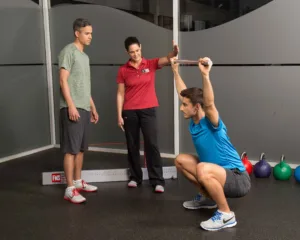
Osteopaths take a holistic approach, meaning they will offer advice beyond manual treatment. They may recommend specific stretching and strengthening exercises to support your recovery. Strengthening the muscles of the foot and calf can improve stability and reduce the risk of re-injury. Additionally, they may provide guidance on proper footwear, activity modification, and tips for managing day-to-day pain.
6. Rehabilitation Exercise
Specific rehabilitation exercises have been shown to improve planter fasciitis symptoms. It is important to strengthen your feet in a consistent manner to avoid overload, but promote healing. Your Osteopath can guide you through the rehab process.
7. Taping
Specific foot taping techniques have been evidenced to temporarily improve plantar fasciitis pain and offload the foot, which allows people pain relief whilst going about their day. Our Osteopaths are able to assist with plantar fasciitis taping.
In your initial consultation, the osteopath will take a detailed history of your condition, lifestyle, and any related symptoms. They will then perform a physical examination, which may include observing your posture, foot alignment, and mobility. Based on this assessment, they will develop a tailored treatment plan, which may involve a combination of manual therapy, exercises, and advice for self-care at home.
If you are suffering from plantar fasciitis, osteopathy can provide an effective and natural solution to manage your symptoms and treat the underlying causes. By improving alignment, reducing muscle tension, and promoting proper foot function, osteopathy offers a holistic approach to relieving heel pain and getting you back on your feet.
If you’re ready to take the first step towards recovery, contact our clinic today to schedule a consultation. With the right treatment plan, you can say goodbye to heel pain and return to the activities you love!