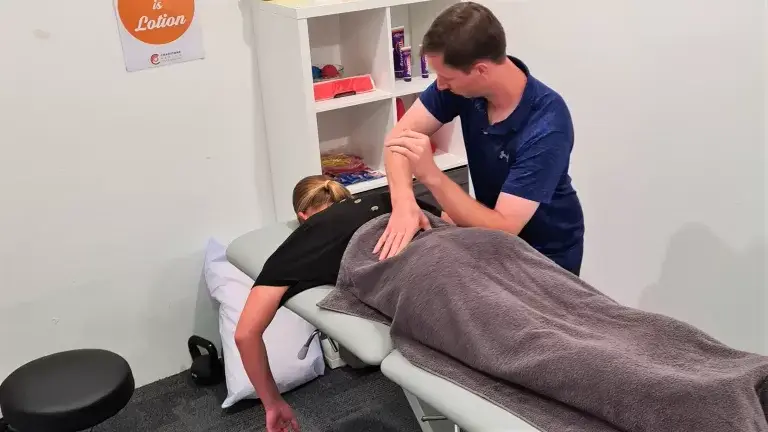
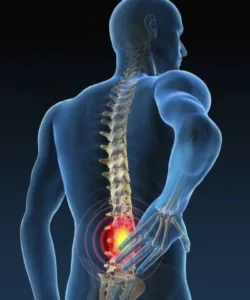
Low back pain is one of the most common reasons people seek treatment, and for many, it can feel frustratingly persistent. You might think you need complex exercises, expensive treatments, or a full week off to get relief.
But here’s the good news: lasting improvement often comes from small, consistent changes, simple “levers” you can pull to calm your pain system, improve movement, and feel more confident in your body again.
Let’s talk about five of them.
1. Move More. But Don’t Overthink It
You’ve probably heard that movement is good for back pain. But many people freeze up because they’re unsure which movement is “safe.” The truth is, there’s no one perfect stretch or posture. Your back loves variety: sitting, standing, walking, bending, twisting.
Start Simple:
Take a short walk during your lunch break.
Gently sway your hips or roll your shoulders while waiting for the kettle to boil.
Change positions often when sitting.
The goal isn’t to “fix” your back, it’s to remind your nervous system that movement is normal, safe, and healthy.
Take a short walk during your lunch break.
Gently sway your hips or roll your shoulders while waiting for the kettle to boil.
Change positions often when sitting.
The goal isn’t to “fix” your back, it’s to remind your nervous system that movement is normal, safe, and healthy.
2. Sleep: The Unsung Hero of Pain Recovery
When we’re tired, pain often feels worse. Poor sleep ramps up sensitivity in the brain and body, making even small aches feel bigger.
You don’t need a perfect bedtime routine to help your back but a few gentle tweaks can make a big difference.
Tweaks:
Aim for consistent sleep and wake times.
Keep your room cool, dark, and quiet.
Avoid too much caffeine or screen time late at night.
Even improving your sleep by 30 minutes a night can reduce pain intensity and improve your mood both are crucial ingredients for recovery.
Aim for consistent sleep and wake times.
Keep your room cool, dark, and quiet.
Avoid too much caffeine or screen time late at night.
Even improving your sleep by 30 minutes a night can reduce pain intensity and improve your mood both are crucial ingredients for recovery.
3. Manage Stress (Your Back Feels It Too)
Stress doesn’t just live in your head, it shows up in your body. Muscle tension, shallow breathing, poor sleep, and even digestive changes can all heighten pain sensitivity.
You can’t eliminate stress completely, but you can give your body better tools to handle it.
Tweaks:
Deep breathing or guided relaxation for 2–3 minutes a day.
A short walk outside without your phone.
Writing down your thoughts before bed to “park” worries.
These small steps help quiet the nervous system, creating a calmer environment for your body to heal.
4. Rethink What Pain Means
One of the biggest misconceptions I see is the belief that pain always equals damage. But the science tells a different story: pain is an alarm system, and sometimes, that alarm becomes overprotective.
If your back pain has lasted more than a few months, it might not be about injury anymore. Instead, your nervous system may be on high alert, responding to things like stress, fatigue, or fear of movement.
Understanding this is key. Once you realise your body isn’t “broken,” you can start moving with more confidence, that’s when real progress happens.
5. Focus on the Next Small Win
It’s easy to get caught up in wanting pain to disappear overnight. But recovery usually looks more like a series of small wins: a better night’s sleep, an easier walk, a morning with less stiffness.
When we find and build on those wins, we retrain the brain to feel safe again.
Ask yourself:
“What’s one small thing I can do today that makes me feel just 5% better?”
Maybe it’s a short stretch, a good meal, or skipping that second coffee at 3 p.m. Consistency beats perfection every time.
“What’s one small thing I can do today that makes me feel just 5% better?”
Maybe it’s a short stretch, a good meal, or skipping that second coffee at 3 p.m. Consistency beats perfection every time.
Bringing It All Together
You don’t need to overhaul your entire life to improve low back pain. By pulling just a few of these levers; movement, sleep, stress, mindset, and small wins, you can calm your pain system and take genuine control of your recovery.
If you’ve been living with persistent or recurring back pain and want a modern, evidence-based approach, I’d love to help. Together, we can create a plan that fits your life, helps you understand your pain, and rebuilds your confidence in movement.
Book your consultation today and take the first step toward lasting change.
We’re happy to answer any questions you might have, please email us if you need any advice! info@chadstoneregionosteo.com.au