Looking After Those Who Look After Us: Why Nurses Deserve Support Too
Every day, nurses show up for others. They work long shifts, manage high-pressure situations, comfort families, care for patients in pain, and keep healthcare systems moving. Whether in hospitals, aged care, clinics, emergency departments, or community settings, nurses are often the calm in the chaos.
They are there for us on some of the hardest days of our lives.
But while nurses spend their time looking after everyone else, who is looking after them?
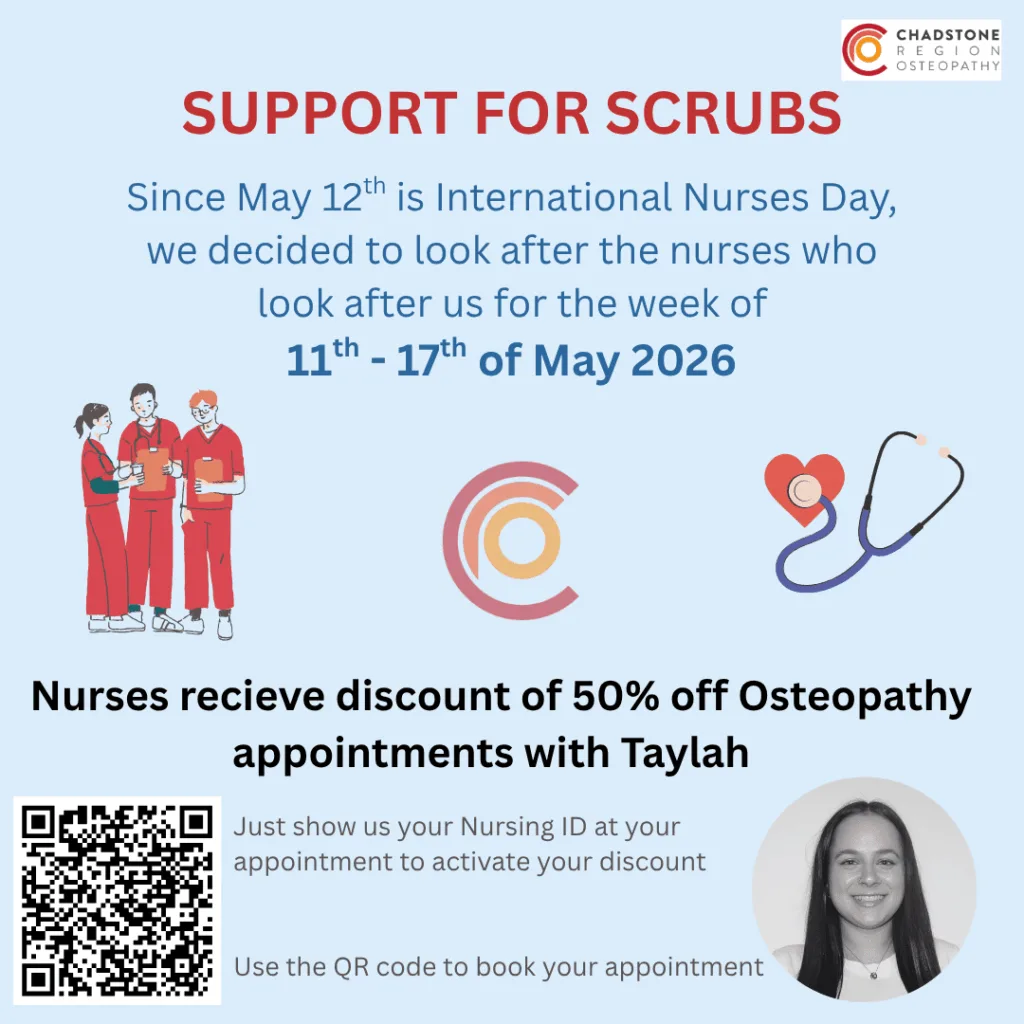
Read through the blog to find a discount for nurses at the end.
The Physical Demands of Nursing
Nursing is one of the most physically demanding professions. Many people don’t realise just how much strain is placed on the body during a normal shift.
Nurses are constantly:
- Lifting or assisting patients
- Bending over beds and equipment
- Standing or walking for hours at a time
- Pushing trolleys or moving machinery
- Working in awkward postures
- Repeating tasks with little recovery time
Some nurses can walk 5–10+ kilometres in a single shift, often on hard floors with limited opportunities to sit down.
It’s no surprise that aches, pains, and injuries are common.
Common Aches and Injuries We See in Nurses
Lower Back Pain
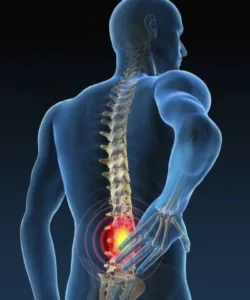
One of the most common complaints. Repeated lifting, transferring patients, bending, and long hours on feet can overload the lower back.
Neck and Shoulder Tension
Hours of charting, computer work, medication prep, and stress can lead to tight neck muscles, headaches, and shoulder discomfort.
Foot and Ankle Pain
Long shifts standing and walking can cause fatigue, plantar heel pain, sore arches, Achilles irritation, and swollen feet.
Headaches
Stress, muscle tension, dehydration, and fatigue can all contribute to headaches during or after shifts.
Hip, Knee and Leg Pain
Constant movement, stair climbing, pivoting, and repetitive loading can irritate joints and muscles over time
The Hidden Challenge: Shift Work and Recovery
Many nurses also work rotating rosters, nights, and early starts. Shift work can disrupt:
- Sleep quality
- Recovery time
- Hormonal balance
- Energy levels
- Stress resilience
This means the body often has less opportunity to repair between demanding shifts.
Why Early Care Matters
Many nurses push through pain because they are used to caring for others first. Unfortunately, small issues often become bigger problems when ignored.
Addressing pain early can help prevent:
- Persistent back or neck pain
- Reduced mobility
- Fatigue-related injuries
- Burnout
- Time away from work
How Osteopathy Can Help Nurses
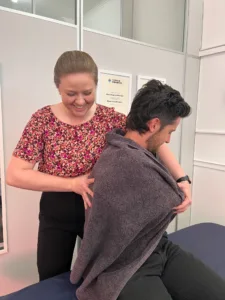
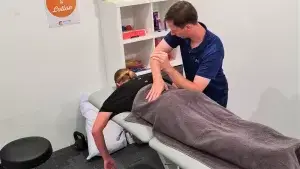
Osteopathic treatment aims to reduce pain, improve movement, and help the body cope better with physical stress.
Treatment may include:
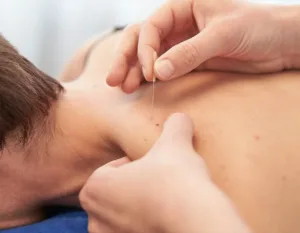
- Soft tissue massage
- Joint mobilisation
- Muscle energy techniques
- Gentle stretching
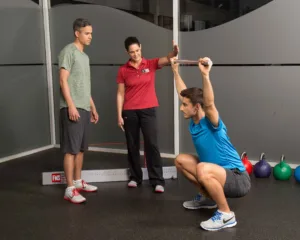
- Exercise advice
- Ergonomic and recovery strategies
The goal isn’t just short-term relief — it’s helping nurses keep doing the work they love with less pain and better function.
Nurses care for us when we are vulnerable, scared, injured, unwell, or overwhelmed. They bring skill, compassion, resilience, and humanity into healthcare every day.
Supporting nurses isn’t just a nice gesture — it matters.
Because when nurses are healthier, stronger, and better supported, everyone benefits.
Looking After Those Who Look After Us
This Nurses Day, it’s worth remembering: the people who care for everyone else deserve care too.
A small thank you for those who look after us at our worst.
We’re happy to answer any questions you might have, please email us if you need any advice! info@chadstoneregionosteo.com.au