Blog by Dr Ainslie Morris (Osteopath)

You have heard the term, know the stories, heard the warnings and seen them occur on the sporting field, but what actually is a concussion?

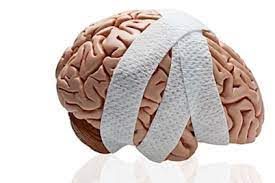
Concussions are defined as a brain injury caused by a blow to the head or a violent shaking of the head and/or body. This does not mean you need to lose consciousness for a concussion to occur. The initial injury itself is to the brain and is due to the brain being pushed against the inside of the skull, some describe it as a bruising of the brain due to the impact. As well as the impact force, different speeds in which the different parts of the brain move can stretch and tear tissue due to the shearing force which can also injure the nerve tissue.

This impact and tearing of the brain tissue lead to symptoms and signs. Symptoms and signs can include:

  • Headaches Confusion
  • Dizziness Blurry vision (change in vision)
  • Memory Loss Lack of Coordination
  • Altered Sensation of body Nausea
  • Vomiting Ringing in the ears (Tinnitus)
  • Sleepiness Excessive Fatigue
  • Bleeding on the brain Altered heart rate

These can occur for a week, up to 12 weeks and possibly longer depending on the severity of the injury. There are a lot of other symptoms such as reaction times, which without pretesting a person would be unsure if it is still affected.

Concussions do not just happen on the football field or netball court. Most concussions occur from rapid movement of the head, including whiplash, or from a fall. They are a serious condition, but do not need to be scary when informed, treated and managed well with help of your doctor and allied health practitioner.

Follow along the next blog to see what to do within the first 24 hours, the first week and how an osteopath can help treatment.

 

Menon, D. (2021). What Happens in the Brain During and After a Concussion? Retrieved 21 September 2021, from
https://www.brainfacts.org/ask-an-expert/what-happens-in-the-brain-during-and-after-a-concussion
What does concussion do to the brain? (2021). Retrieved 21 September 2021, from https://qbi.uq.edu.au/blog/2018/05/what-does-concussion-do-brain

We’re happy to answer any questions you might have, please email us if you need any advice! info@chadstoneregionosteo.com.au

Share:

More Posts:

Managing Holiday Pain: Gentle, Science-Backed Strategies

Managing Holiday Pain: Gentle, Science-Backed Strategies

The festive season can be joyful — but it can also leave your body tense, your mind overwhelmed, and pain flaring up. This blog shares gentle, science-backed strategies to help you manage holiday pain, move more comfortably, stay hydrated, and support your nervous system. Practical tips on micro-movement, mindful pauses, and simple self-care will help you feel calmer, more energised, and enjoy the holidays with greater ease.

Shoulder Pain - Osteopathic Assessment & Treatment

Moving away from bursitis, impingement and rotator cuff tears

The way we understand and talk about shoulder pain is changing. Traditional labels like “rotator cuff tear,” “subacromial impingement,” and “bursitis” are being questioned in light of new research showing they often don’t reflect the real cause of pain—or lead to better outcomes. In this blog, we explore why these terms are falling out of favour, the risks of over-relying on imaging, and how more functional, person-centred language is shaping modern shoulder pain management. Whether you’re a clinician or someone experiencing shoulder issues, these insights could change the way you view recovery.