How Osteopathy Aligns with Modern Pain Science
9088 0793 Monday – Saturday New patients welcome Book Online Osteopathy, Chronic Pain, and the Surprising Alignment with Modern Science Traditional osteopathy has always been
Did you know a lack of movement can increase the risk if developing all manner of aches and pains in our body? We asked our Osteopaths for common stretches that may help ease a lot of conditions we see:
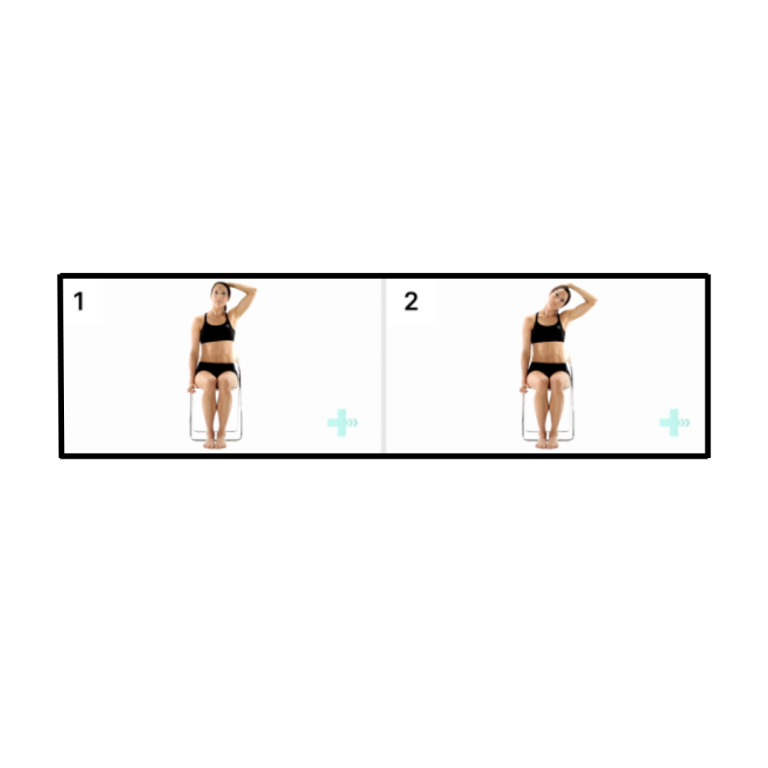
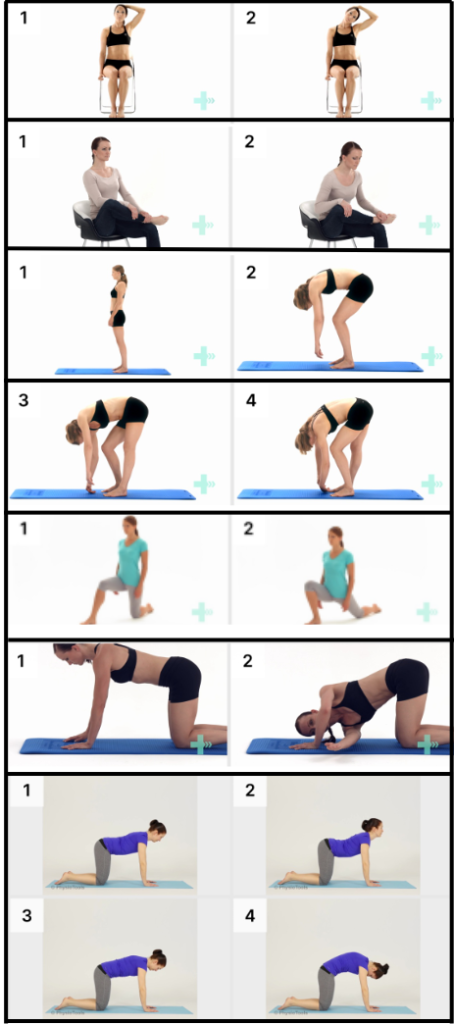
Place the one hand on the same side under your chair.
2. Take your other hand and place it on your head.
3. Tilt your ear directly down towards your shoulder and hold this position.
**Side bending stretching can help reduce postural tension in the neck and across the top of the shoulders
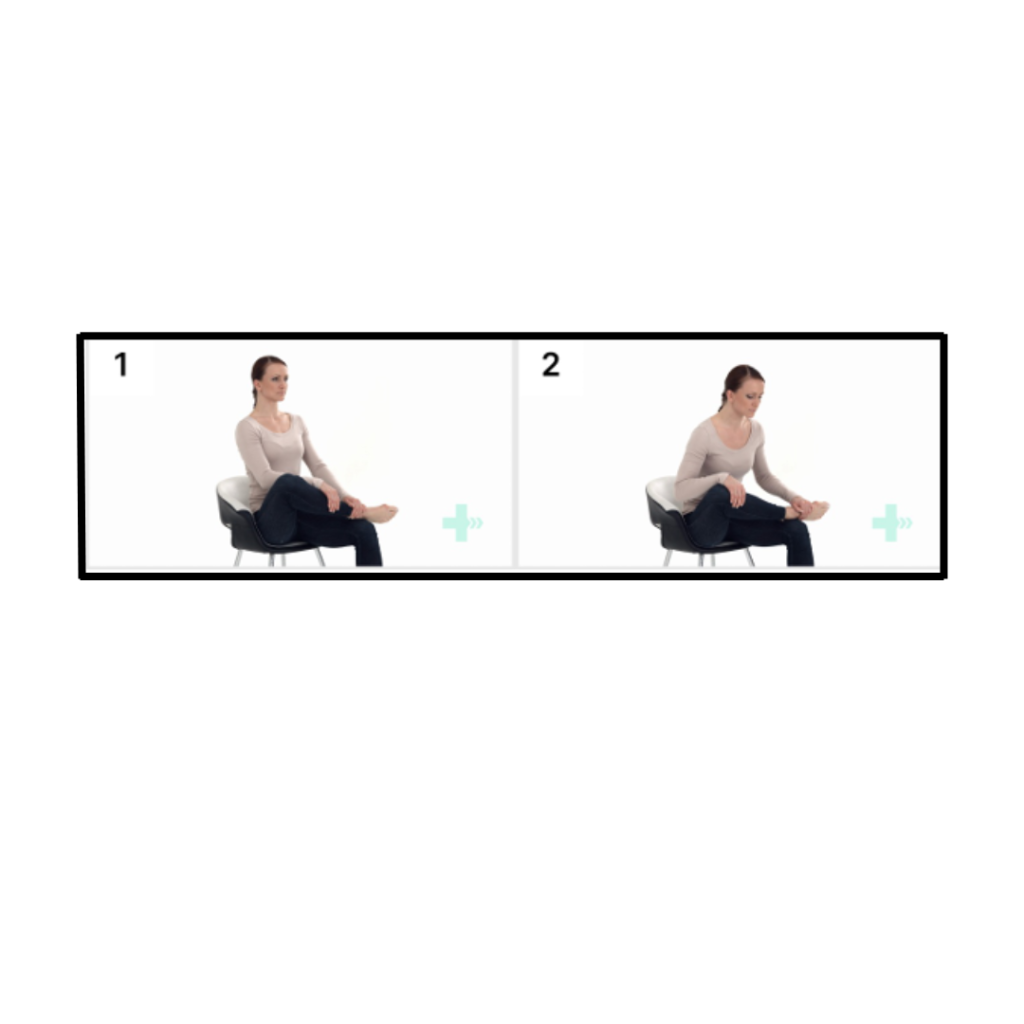
1. Cross the one leg your ankle is resting on, to the opposite knee.
2. Apply gentle pressure to the knee as you lean forward, increasing the depth of the stretch.
**Relieves glute tension, improves hip flexibility, and reduces lower back pain.
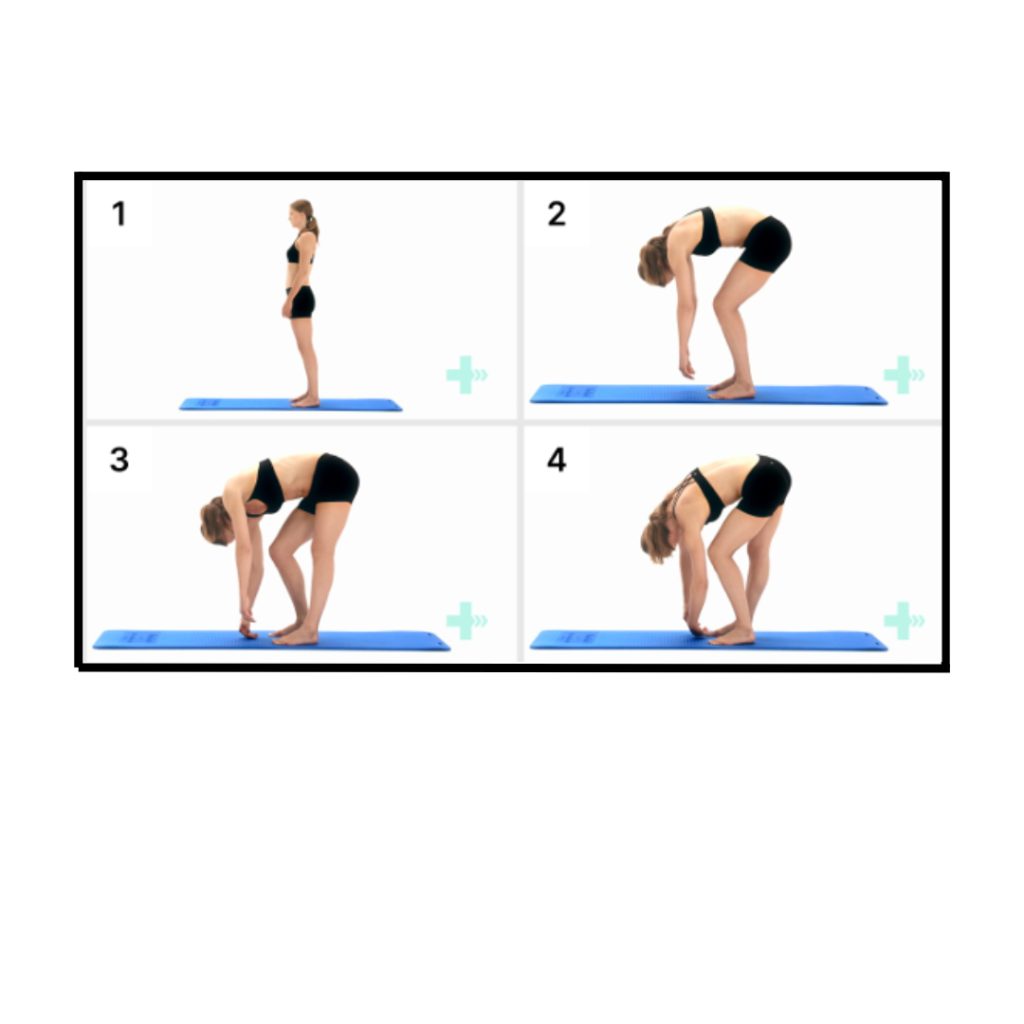
1. Stand hip width apart.
2. Inhale, roll your head and chest down, letting you arms hang (or support on a chair/desk)
3. Bend knees slightly when hands reach mid-shin.
4. Alternate straightening left leg and bending right knee, then vice versa.
**Can be done to stretch and lengthen the spine, nerves and muscles down the back of the legs.
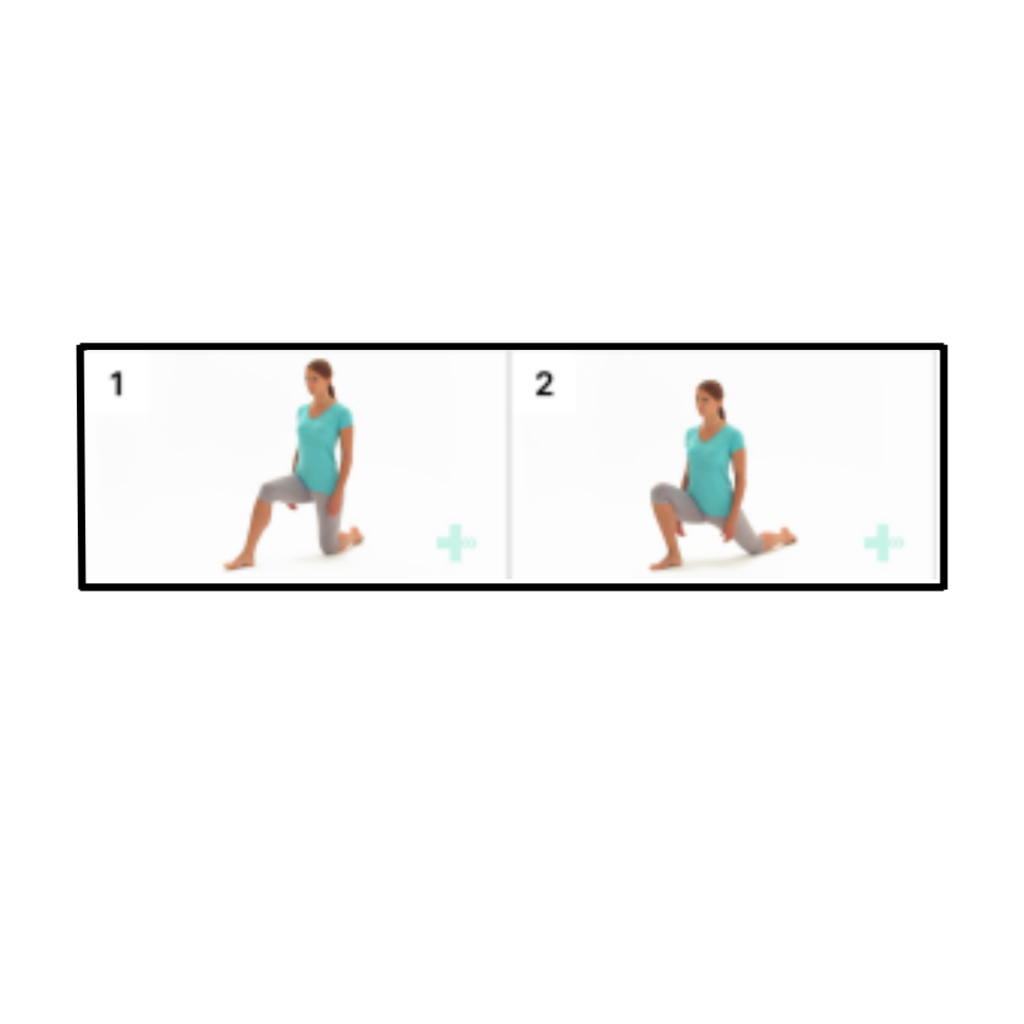
1. Kneel and place one foot in front.
2. Push hips forward, keeping your body straight, until you feel a stretch in the front of the hip on your back leg. Stay tall
**Helps to stretch out the muscles that are involved in frequent holding of our legs.
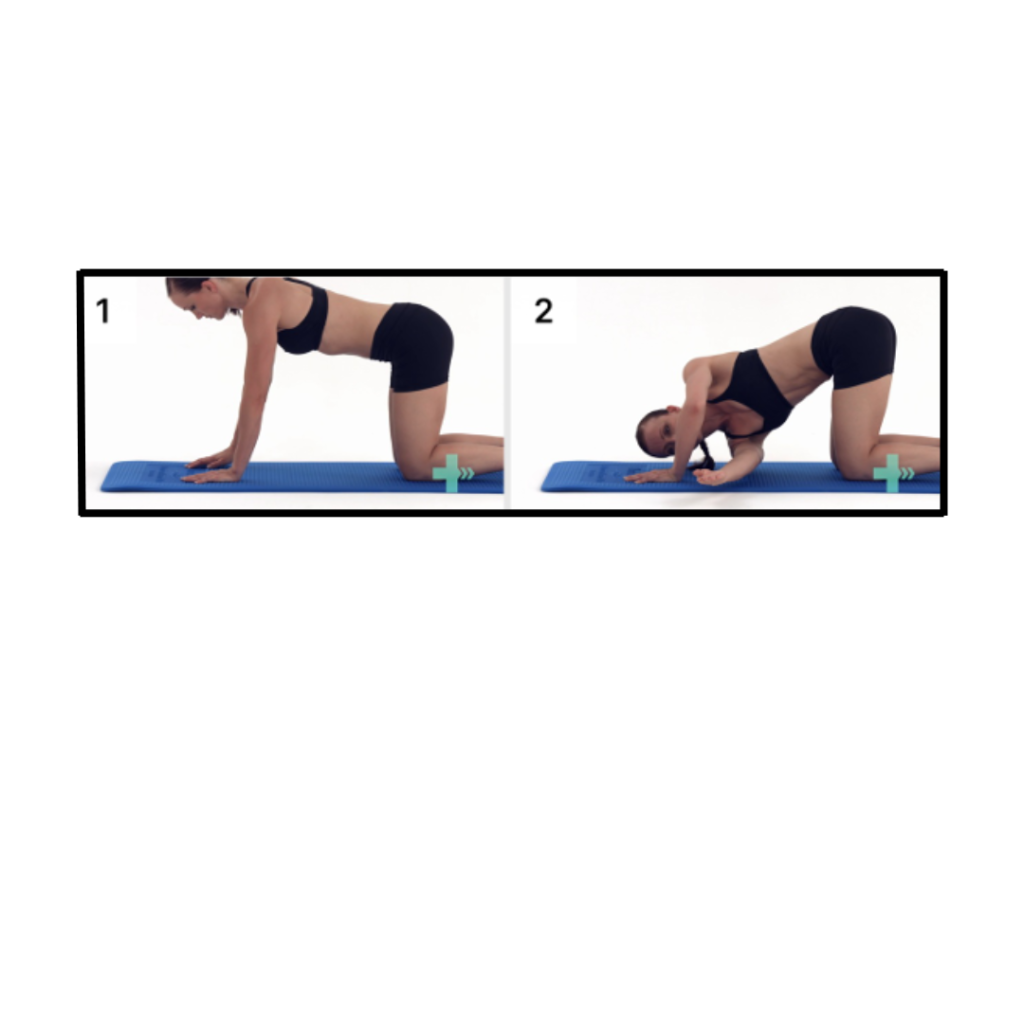
1. Position hands under shoulders and hips over knees. on all fours.
2. Reach one hand between the opposite hand and leg, letting your shoulder and head follow down towards the floor as you rotate through your back.
**You should feel a stretch down your side, your shoulder blade and neck.
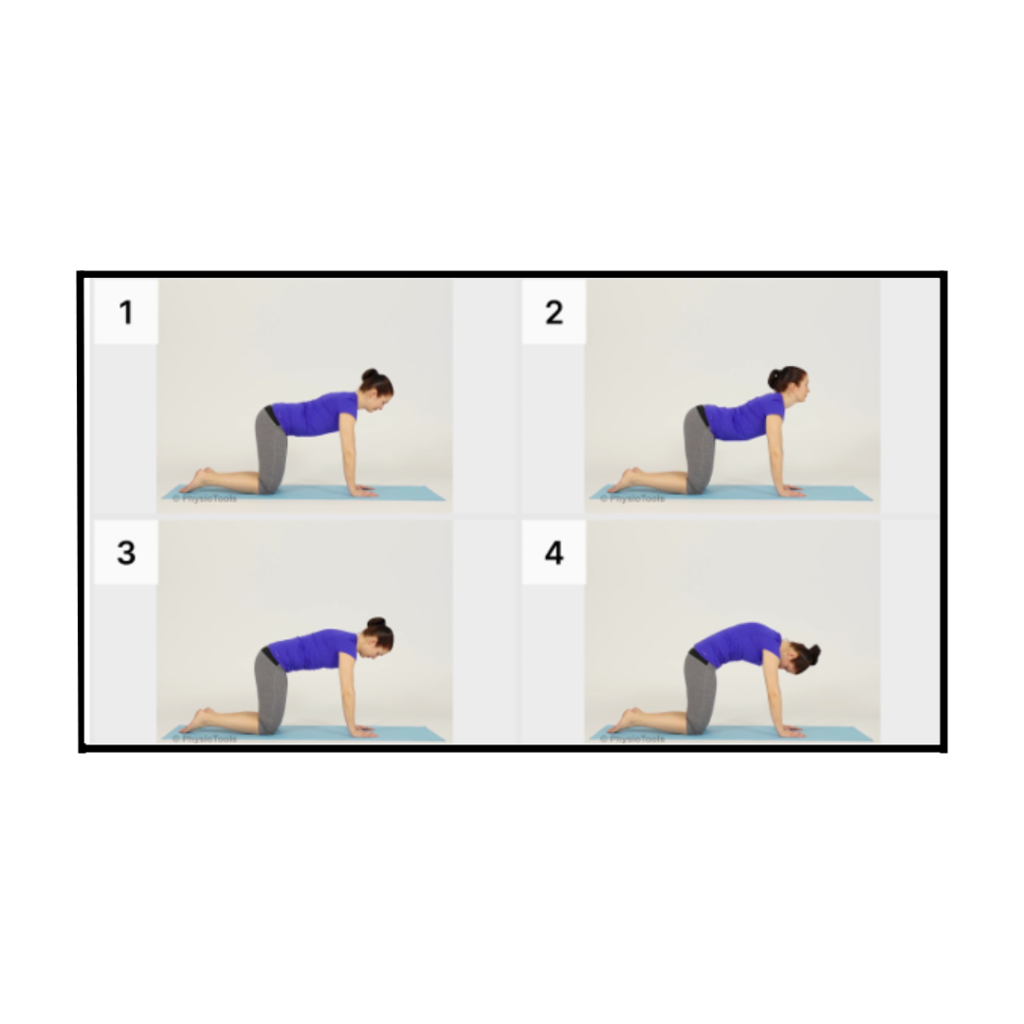
1. On your hands and knees, hands under your shoulders and knees under your hips.
2. Round and arch your back by alternating tilting your pelvis backwards and forwards.
**A stretch to mobilise your spine and ease back tension.
Our tip to you is to try and incorporate these simple stretches into your daily routine to enhance flexibility and reduce tension.
Make sure to do these stretches on both sides & holding for 30-60 seconds, until tension slightly reduces (might feel like your melting into position).
Stretching doesn’t have to take long! Give yourself a minute in each stretch, once or twice a day (morning and evening even).
PLEASE NOTE STRETCHES SHOULDNT HURT!
If anything feels too uncomfortable/ pain OR if you have an questions, speak with us or a healthcare practitioner.
Call us on: 9088 0793
Or email at: info@chadstoneregionosteo.com.au
We’re happy to answer any questions you might have, please email us if you need any advice! info@chadstoneregionosteo.com.au
Share:
More Posts:

9088 0793 Monday – Saturday New patients welcome Book Online Osteopathy, Chronic Pain, and the Surprising Alignment with Modern Science Traditional osteopathy has always been

The festive season can be joyful — but it can also leave your body tense, your mind overwhelmed, and pain flaring up. This blog shares gentle, science-backed strategies to help you manage holiday pain, move more comfortably, stay hydrated, and support your nervous system. Practical tips on micro-movement, mindful pauses, and simple self-care will help you feel calmer, more energised, and enjoy the holidays with greater ease.

The way we understand and talk about shoulder pain is changing. Traditional labels like “rotator cuff tear,†“subacromial impingement,†and “bursitis†are being questioned in light of new research showing they often don’t reflect the real cause of pain—or lead to better outcomes. In this blog, we explore why these terms are falling out of favour, the risks of over-relying on imaging, and how more functional, person-centred language is shaping modern shoulder pain management. Whether you’re a clinician or someone experiencing shoulder issues, these insights could change the way you view recovery.

Central sensitisation occurs when the nervous system becomes hypersensitive, causing pain to feel more intense and persistent—even without clear injury. It can also affect mood, sleep, digestion, and more. Learn how this “high alert†state develops, and how pain-informed osteopathy can help calm and retrain the nervous system for lasting relief.