How Osteopathy Aligns with Modern Pain Science
9088 0793 Monday – Saturday New patients welcome Book Online Osteopathy, Chronic Pain, and the Surprising Alignment with Modern Science Traditional osteopathy has always been
“Double jointed” party trick by Shaun, highlighting hypermobility in his fingers.
Hypermobility is defined as having an unusually or abnormally large range of movement in a joint or joints. It is effectively the opposite of stiffness (hypomobility).
A lot of people come to see us because of stiffness, so the thought of hypermobility may sound pretty good, but it comes with it’s own host of challenges. Too much movement can be just as problematic as not enough movement!
Hypermobile people may struggle with stabilising joints, are at greater risk of dislocations or subluxations, and often carry additional muscle tensions because they have to contract to hold together what ligaments otherwise would.
In most cases it’s purely the result of genetics – in particular, what type of collagen we produce (stretchy, or stiff). For some people it’s the result of injury, usually a previous dislocation or tear of some sort. It can also be associated with a range of musculoskeletal and cardiovascular conditions (Ehlers-Danlos Syndrome, POTS, scoliosis etc).
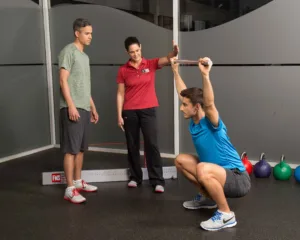
We can’t change our genetics, so we rely on compensating for our stretchy ligaments by strengthening our muscles, especially our slow twitch postural muscles sitting close to the joints (deep). We prescribe exercises that work joints through a full (not excessive) range of motion, under some degree of load and stability challenge, forcing our stabilising muscles to engage work and strengthen over time. It’s REALLY hard work, and takes a lot of consistency (much like stretching programs for really stiff people!), but spending the time and energy on building the strength around our joints is key to long healthy happy capable bodies
If you’d like to learn more about managing hypermobility feel free to give us a call or make an appointment.
Our Osteopaths are experienced in providing hands-on care for the pain and tightness that can come with hypermobility, as well as demonstrating and prescribing the appropriate exercises to help stabilise, strengthen and offload areas as required.
It is a particular area of expertise close to Dr Shaun Richardson’s heart!
We’re happy to answer any questions you might have, please email us if you need any advice! info@chadstoneregionosteo.com.au
Share:
More Posts:

9088 0793 Monday – Saturday New patients welcome Book Online Osteopathy, Chronic Pain, and the Surprising Alignment with Modern Science Traditional osteopathy has always been

The festive season can be joyful — but it can also leave your body tense, your mind overwhelmed, and pain flaring up. This blog shares gentle, science-backed strategies to help you manage holiday pain, move more comfortably, stay hydrated, and support your nervous system. Practical tips on micro-movement, mindful pauses, and simple self-care will help you feel calmer, more energised, and enjoy the holidays with greater ease.

The way we understand and talk about shoulder pain is changing. Traditional labels like “rotator cuff tear,†“subacromial impingement,†and “bursitis†are being questioned in light of new research showing they often don’t reflect the real cause of pain—or lead to better outcomes. In this blog, we explore why these terms are falling out of favour, the risks of over-relying on imaging, and how more functional, person-centred language is shaping modern shoulder pain management. Whether you’re a clinician or someone experiencing shoulder issues, these insights could change the way you view recovery.

Central sensitisation occurs when the nervous system becomes hypersensitive, causing pain to feel more intense and persistent—even without clear injury. It can also affect mood, sleep, digestion, and more. Learn how this “high alert†state develops, and how pain-informed osteopathy can help calm and retrain the nervous system for lasting relief.