

Rib Sprains

Hi everyone, we’re seeing a lot of rib sprains at the clinic at the moment, most likely as a result of the swiftly (and almost violently) approaching winter. This usually happen due to changes in activity levels (it’s not as nice to go for a stroll in the freezing rain), as well as the fact that we tend to hunch through our shoulders and pull them up towards our ears when its cold!

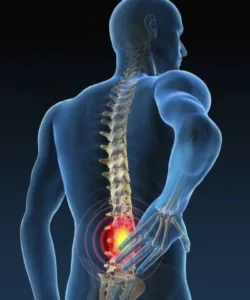
Rib sprains, as mild as they may sound, can actually be quite painful and disconcerting, and usually present as a sharp, localised pain on one side of the spine that is worse with movement and can also sometimes aggravated by deep breathing, coughing or sneezing. They can come on quickly and often feel like they come from out of the blue! These sprain can sometimes ease by themselves over a few weeks, but often stick around unless treated. 

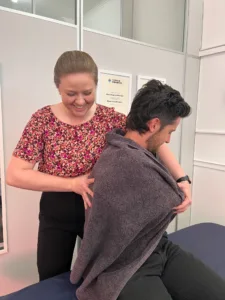
Hands on treatment can be incredibly efficient at decreasing the pain and irritation, and can drastically reduce healing time. Heat packs and non-steroidal anti inflammatory medications can also help, as well as gentle stretches which your osteopath can provide for you.

To find out more, or get your rib pain looked at just give us a call or book online! 

We’re happy to answer any questions you might have, please email us if you need any advice! info@chadstoneregionosteo.com.au

Share:

More Posts:

Managing Holiday Pain: Gentle, Science-Backed Strategies

Managing Holiday Pain: Gentle, Science-Backed Strategies

The festive season can be joyful — but it can also leave your body tense, your mind overwhelmed, and pain flaring up. This blog shares gentle, science-backed strategies to help you manage holiday pain, move more comfortably, stay hydrated, and support your nervous system. Practical tips on micro-movement, mindful pauses, and simple self-care will help you feel calmer, more energised, and enjoy the holidays with greater ease.

Shoulder Pain - Osteopathic Assessment & Treatment

Moving away from bursitis, impingement and rotator cuff tears

The way we understand and talk about shoulder pain is changing. Traditional labels like “rotator cuff tear,” “subacromial impingement,” and “bursitis” are being questioned in light of new research showing they often don’t reflect the real cause of pain—or lead to better outcomes. In this blog, we explore why these terms are falling out of favour, the risks of over-relying on imaging, and how more functional, person-centred language is shaping modern shoulder pain management. Whether you’re a clinician or someone experiencing shoulder issues, these insights could change the way you view recovery.