


Book Online

Wellness Tips for in-between your Osteo appointments

Ensuring you are taken care of outside the appointment room

We want to make sure you get the best value from seeing us, so here’s some helpful advice for between appointments. If you have any questions regarding the above or your conditions changes, feel free to email your practitioner at info@chadstoneregionosteo.com.au or call us on 03 9088 0793.

Use the button below if you need to rebook an appointment, otherwise we look forward to seeing you at your next appointment.

5 TIPS AND TRICKS - That may help reduce or keep pain away and help mobilise you between your Osteo appointments

1. Stretching

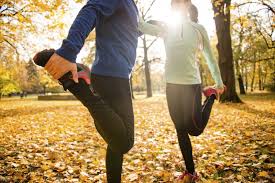
Stretching is a simple addition to improve your recovery of your condition and potentially extend the need for treatment. It can be done anywhere and it only takes a few seconds. 

Stretching is designed to not only to reduce tension and increase joint mobility, it can also improve blood flow to your muscles which helps the delivery of nutrients and the removal of muscle waste, improve posture by decreasing muscle tightness and joint stiffness and it can be a stress reliever by relaxing tight/tense muscles. 

Most muscles can be stretched. All you have to do is take a tight body part into a normal direction where you feel a stretch (NOT PAIN). Hold this position for 10 to 30 seconds and repeat on the other side. During this, remember to relax and breathe through every stretch. Afterwards, you should feel more relaxed and mobile. Some people don’t enjoy stretching, and that’s ok too! If you don’t feel that stretching assists you or feels good, move onto tip #2….

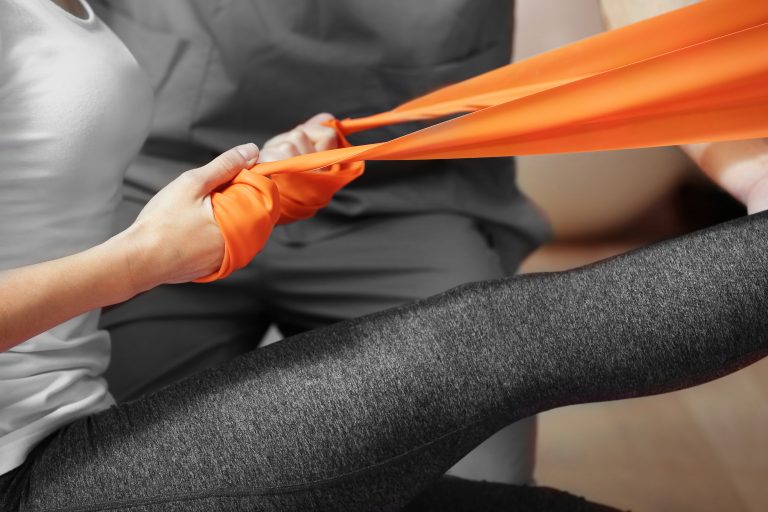
theraband used for stretching and exercise

2. Exercise

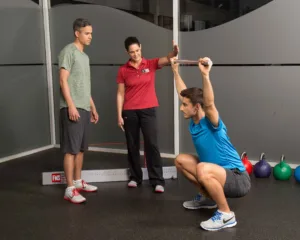
This doesn’t only include gym training, PT session or group fitness classes. Exercise may include incidental activities, such as going for a walk before/after work or during lunch breaks, climbing stairs, dancing, cleaning or even gardening. 

Getting the body moving enhances and improves many aspects of your health. Just like stretching it can lengthen the muscles and increase joint mobility. It can also strengthen and stabilise the weak areas, improve mood, boost energy, promote better sleep and it can be fun, especially when it’s social.  

Optimally, to reach the recommended goal for exercise for adults it’s to be active most days, preferably all days. Complete 2 ½ to 5 hours of moderate intensity activity (e.g. walking, bike riding, pushing a mower) and/or 1 ¼ to 2 ½ vigorous intensity physical activity a week (e.g. running/jogging, swimming laps or walking up a hill). Additionally, adding strength/resistance activities at least twice a week. Again, this can be social activities, cleaning or even gardening, not just gym related exercises.  

Your osteopath can help direct you to the most relevant stretches and exercises at your next appointment. 

Why 10 Minutes of movement can improve your health

3. Heat

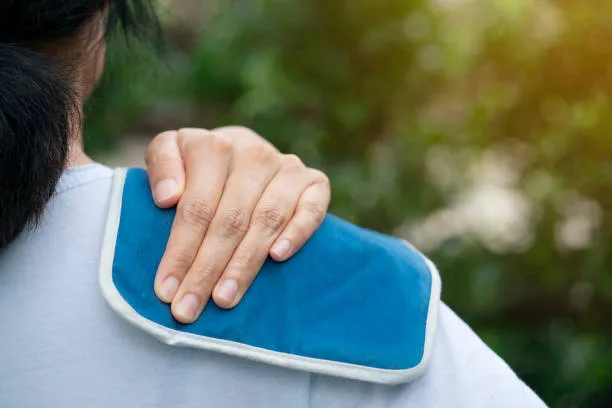
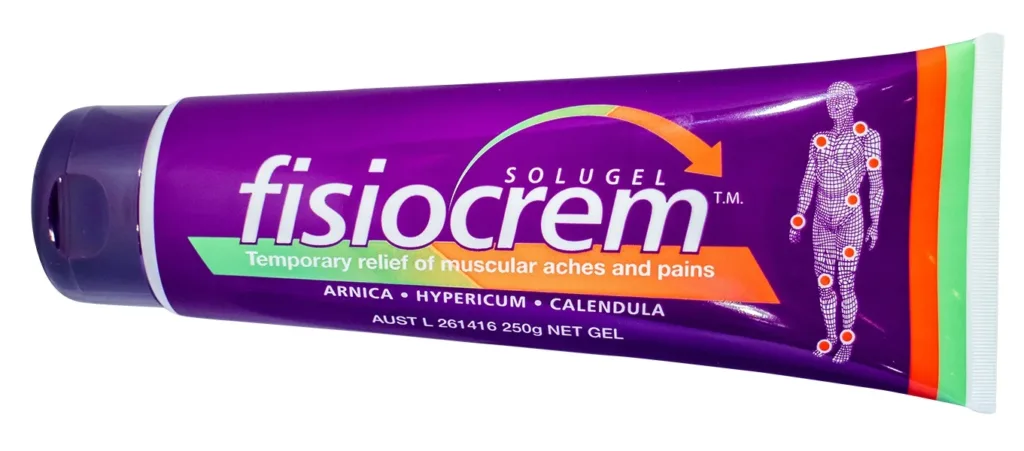
Heat can also be another great way to reduce muscle soreness and aid in increasing flexibility. This can be through the use of hot showers, baths, heat packs, hot water bottles or heat creams (e.g. fisiocrem, deep heat, tiger balm etc..). Heat helps open blood vessels to allow more blood flow which improves circulation and alleviates some of the pain. Applying one of these strategies for at least 15 to 30 minutes is sufficient enough to achieve this.

4. Hydration

Another aspect of our health we tend to forget about is water intake. Being adequately hydrated can aid in our health in many ways. It helps muscles and tissues remove toxins and receive the important nutrients and oxygen they need to function. It can also lubricate joints to keep them mobile, increase energy, reduce headaches and improve sleep quality, digestion and brain performance. To achieve these benefits aim to drink at least 2 litres a day for women and 2.5 litres for men. 

5. Sleep

Pain and Sleep

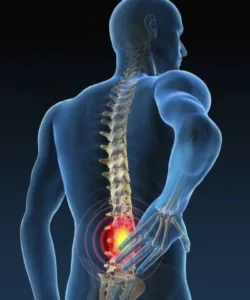
Sleep is another big and important factor for the healing of a condition or injury. Consistent deep sleep helps the growth of new and healthy tissues therefore, if you’re not getting enough sleep, this may be a factor in why your pain is still there and why it’s taking longer than normal to heal. Aiming to get 7-9 hours of solid sleep a night is the best way to aid in the healing process. 

To achieve a good solid sleep, having better sleep hygiene and schedule is the first step. 

For more information about sleep and what’s involved in good sleep hygiene please click here – https://www.healthdirect.gov.au/sleep

Share:

More Posts:

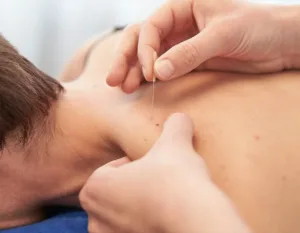
Dry needling performed by an osteopath to aid neck pain

Dry Needling for Pain: Latest Evidence & Safety

If you’ve ever experienced tight, painful muscles that don’t seem to respond to stretching or massage, you’re not alone. Millions of people suffer from musculoskeletal pain each year, and many are turning to a technique called dry needling as part of their treatment plan. But what exactly is dry needling, and does it really work? Let’s explore what the latest research reveals about this increasingly popular therapy.